Advanced Visual Design Strategies for Businesses Prepared for Tomorrow's Demands
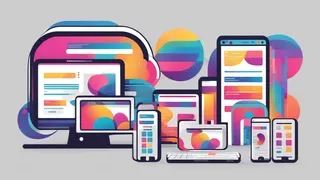
In the ever-evolving business landscape of 2025, next-generation (next-gen) graphic design solutions are revolutionising the way brands present themselves. These innovative approaches aim to create a unified brand experience across all platforms, build trust, and establish authority in a fraction of a second.
A well-crafted brand identity can make or break a first impression, with users forming opinions about a brand in as little as 0.05 seconds. To capitalise on this, many brands have switched to on-demand design models, which offer unlimited graphic design for a flat rate, combining affordability with high-quality designs.
Next-gen graphic design services are not just about aesthetics; they are about strategy. Designs that have no strategy can lead to misaligned designs that do no good for a brand's personality. On the other hand, designs that are data-driven and personalised can significantly increase relevance and resonance with target audiences, improving customer engagement and conversion rates.
One of the key features of these next-gen solutions is the use of 3D design and motion graphics. This hyper-realistic approach creates depth, tactile qualities, and multi-dimensional storytelling, making visual experiences more immersive, engaging, and eye-catching. Scroll-stopping designs are essential for a brand's social media presence to stand out in a noisy landscape.
Attention-grabbing product packaging can also boost shelf appeal and significantly influence purchasing decisions. A well-designed online presence is essential for conveying a brand's good characteristics and creating instant recognition, trust, and loyalty.
Design isn't a one-time project; it's a constant journey of coming up with fresh designs to keep a business relevant and consistent. In a saturated market, strategic design is essential for differentiating a brand from the competition. Next-gen graphic design solutions incorporate AI-powered workflows, design consistency across platforms, data-driven creative strategies, and on-demand design models.
Next-gen solutions also prioritise inclusivity and accessibility, ensuring designs are adaptable for all users, including those with disabilities. Sustainability is another important aspect, with zero-waste design principles and modular, reusable content elements being used to reduce resource consumption and align brand values with eco-conscious consumers.
Immersive web and product experiences using Virtual Reality (VR) and Augmented Reality (AR) are also becoming more prevalent, allowing users to interact with 3D spaces or virtually try products before purchasing. This enhances user engagement and decision-making, especially effective for e-commerce and experiential marketing.
Lastly, AI is being used to generate images, vector graphics, videos, 3D models, and design code automatically from text or image prompts. This enables designers to work faster and smarter, producing varied creative assets at scale with less manual effort.
In conclusion, next-gen graphic design solutions are transforming the way businesses communicate and connect with their audience. By focusing on visual consistency, personalisation, sustainability, and immersive experiences, these solutions are helping brands stand out in a crowded market and build trust with their audience.
References: [1] The Role of AI in Next-Gen Graphic Design. (2023). Retrieved from [www.designai.com/nextgen](http://www.designai.com/nextgen) [2] The Future of Graphic Design: Trends to Watch in 2025. (2024). Retrieved from [www.graphicdesignhub.com/trends-2025](http://www.graphicdesignhub.com/trends-2025) [3] The Impact of Sustainable Design on Brand Perception. (2022). Retrieved from [www.sustainabledesign.org/brand](http://www.sustainabledesign.org/brand) [4] The Power of Inclusive Design in Graphic Communication. (2023). Retrieved from [www.inclusivedesign.org/graphic](http://www.inclusivedesign.org/graphic) [5] The Evolution of Branding in the Digital Age. (2024). Retrieved from [www.brandingage.com/digital](http://www.brandingage.com/digital)
- Logos, graphic design, and motion graphics are key elements of the innovative next-gen graphic design solutions that are transforming branding in 2025, aiming to create a unified brand experience across all platforms.
- Designs in the on-demand model, which offers unlimited graphic design for a flat rate, are a strategic choice for many brands, balancing affordability with high-quality designs.
- Next-gen solutions prioritize inclusivity and accessibility, ensuring designs are adaptable for all users, including those with disabilities.
- Attention-grabbing product packaging, designed with graphic design principles, can boost shelf appeal and significantly influence purchasing decisions.
- In the digital age, strategic design incorporating AI-powered workflows, data-driven creative strategies, and on-demand design models is essential for business differentiation and consistently maintaining a strong brand image on social media, finance, and technology sectors.