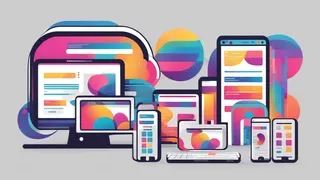

Modern interfaces are being fundamentally altered by the incorporation of Glassmorphism in UX design.
===============================================================
In the ever-evolving world of UI/UX design, a trend that has gained significant traction is Glassmorphism. This design style, far from being a solo invention, has evolved from interface design trends popularized by tech giants like Apple, Microsoft, and the broader design community around 2020.
Glassmorphism and its close cousin, Neomorphism, each offer unique visual experiences. While Neomorphism uses soft shadows to create a plastic, embossed look, Glassmorphism relies on background blur and transparency to mimic frosted glass.
The application of Glassmorphism in UI/UX design is twofold. On one hand, it enhances aesthetics by adding depth and focus, without overwhelming the user. On the other hand, it improves user experience by maintaining minimalism, a quality users have come to expect.
Key guidelines for implementing Glassmorphism include using translucency with blurred backgrounds to create a soft frosted glass effect, incorporating rounded edges and subtle shadows, and selecting color combinations carefully. These practices help to add depth and separate UI elements subtly, enhance clarity and hierarchy, and maintain readability.
Glassmorphism is primarily used in overlays, modals, cards, and dashboard elements to make important content stand out while preserving the context of the background. It's essential to maintain a consistent design language by blending Glassmorphism elements harmoniously with other UI components.
However, overusing Glassmorphism can reduce usability. Therefore, it should be applied selectively for emphasis. Testing accessibility and usability rigorously, especially concerning contrast ratios and legibility, is also crucial. Following inclusive design principles and checking designs under various lighting conditions and screen types ensures a broad accessibility.
Balancing aesthetics with usability is key when using Glassmorphism. Minimal typefaces and quiet icons help keep the attention where it belongs, while combining Glassmorphism with other modern trends like Neumorphism and Dark Mode ensures the overall user experience remains clear and functional.
Glassmorphism is more than a visual style; it influences the emotional response and cognitive focus of users by signaling calmness and reducing distraction when applied thoughtfully. This makes it particularly effective in productivity apps, dashboards, and media players where focus is key.
In the future, we'll likely see Glassmorphism used in smarter and more efficient ways to support accessibility. It may become the standard look for apps built for platforms like Apple VisionOS and Meta's AR devices.
In conclusion, the best practice is to balance aesthetics with usability by using subtle translucent layers, optimizing for contrast and readability, applying it selectively for emphasis, and testing across real devices to ensure broad accessibility. By doing so, designers can create modern, visually appealing user experiences that cater to both form and function.
Technology plays a significant role in the implementation of Glassmorphism in UI/UX design. Designers utilize advanced digital tools to create translucent layers and apply blur effects, essential for Glassmorphism's frosted glass appearance.
Furthermore, having a comprehensive understanding of technology enables designers to ensure accessibility, test designs rigorously across various devices, and incorporate Glassmorphism into the latest trends like Dark Mode and Neumorphism, enhancing the overall user experience.