
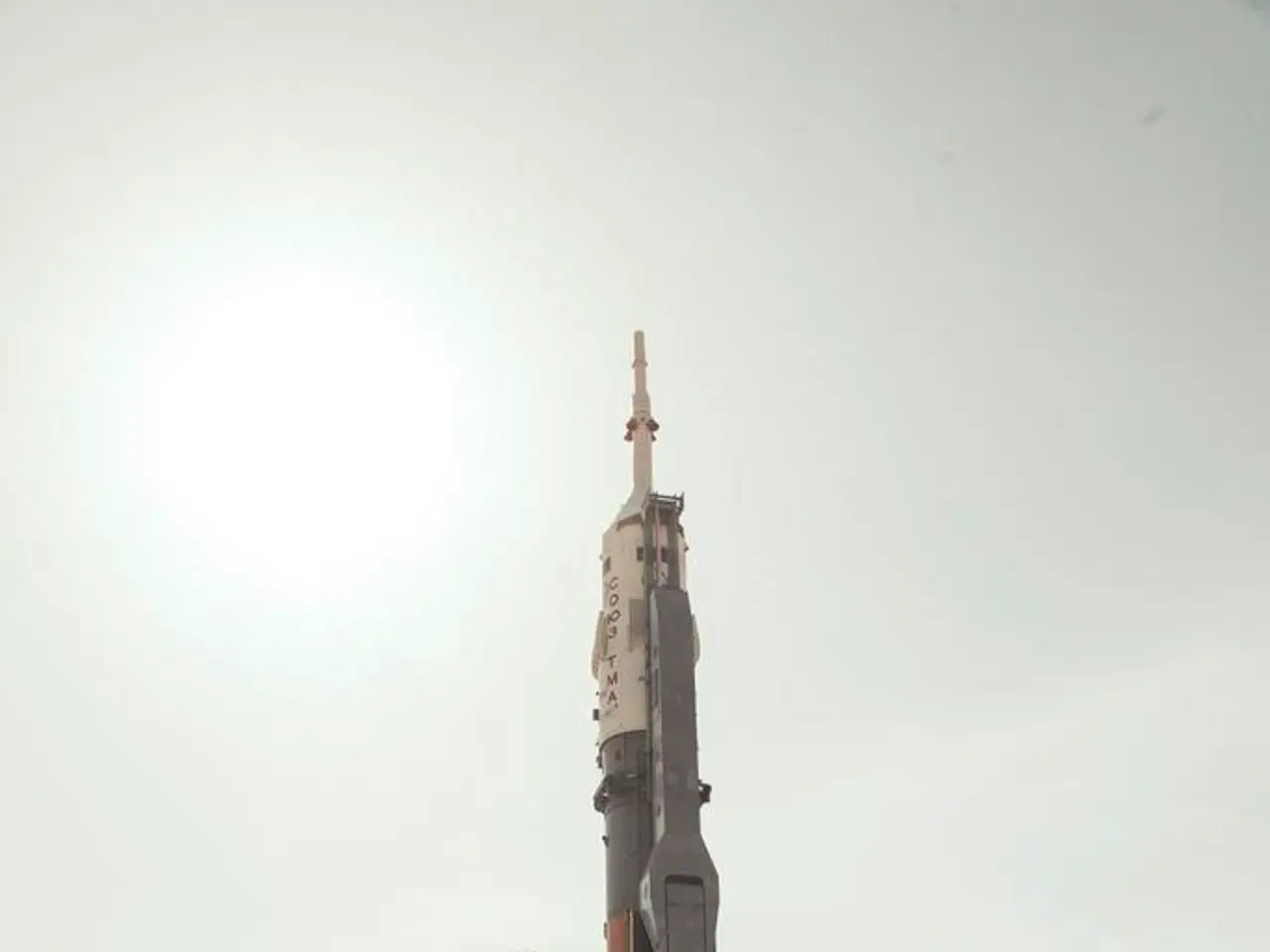
Rocket Lab blasts off a new set of satellites for the Kinéis satellite cluster orbit
Kineis Achieves Milestone with Fourth Launch, Moving Closer to Global IoT Coverage
Kineis, a French Internet of Things (IoT) constellation operator, has taken a significant step forward in its mission to provide global IoT coverage. On February 9, 2025, at 9:43 am NZDT (20:43 UTC), Rocket Lab USA launched the 59Electron mission from its Launch Complex 1 in Mahia, New Zealand. This marked Kineis's fourth launch to date and Rocket Lab's first Electron launch of 2025.
During the mission, five satellites were deployed to a 647 km low Earth orbit, bringing Kineis one step closer to its goal of a complete constellation of 25 nanosatellites. This French-made constellation is designed specifically for space-based IoT connectivity, aiming to provide continuous and reliable IoT device communication anywhere. With this achievement, Kineis becomes the first European dedicated IoT satellite constellation with true global coverage.
The partnership between Kineis and Rocket Lab USA has been instrumental in facilitating the deployment of the constellation into orbit. Although the specifics of this collaboration are not detailed in the provided documents, it is publicly known that Rocket Lab provides launch services for Kineis's nanosatellites. This partnership supports Kineis’s objective of rapid and efficient global IoT connectivity expansion.
The successful deployment of these satellites will enable Kineis to offer IoT services that overcome terrestrial cellular limitations, ensuring devices remain connected even in remote or underserved regions. The Kineis constellation can help with various applications, including forest fire detection, transport and logistics tracking, water resource management, infrastructure and energy network monitoring, and internet connection to remote locations.
Peter Beck, the founder and CEO of Rocket Lab, commented on the mission, expressing his excitement about the collaboration. Michel Sarthou, the CTO of Kineis, also shared his thoughts on the mission, emphasising the teams' and partners' expertise and determination in achieving this milestone.
The next Electron launch is scheduled for February, and the specific launch window and customer details for this mission will be announced in the coming days. The launch date for the fifth Kineis launch will be announced in the coming weeks.
This combination of innovative technology and strategic partnerships positions Kineis well on its path to delivering global IoT coverage through a constellation of 25 nanosatellites, making a significant impact on various industries and remote regions.
[1] Kineis. (2023). Kineis: the first European dedicated IoT satellite constellation with true global coverage. Retrieved from https://kineis.com/en/news/kineis-the-first-european-dedicated-iot-satellite-constellation-with-true-global-coverage/
[3] Kineis. (2023). Kineis unveils its first satellite. Retrieved from https://kineis.com/en/news/kineis-unveils-its-first-satellite/
- The new satellites deployed during the Kineis-Rocket Lab USA collaboration will aid in boosting IoT technology, particularly in space-and-astronomy, as they contribute to the development of a global IoT network.
- With the advancements in science and technology driven by partners like Rocket Lab, Kineis is making strides towards its goal of a complete constellation of nanosatellites, providing continuous and reliable IoT device communication anywhere, thereby revolutionizing numerous industries and remote regions.