
Shift in Global Finance Through De-dollarization and Bitcoin Adoption
In a significant shift in the global financial landscape, central banks are moving away from the U.S. dollar and exploring alternative assets such as gold and Bitcoin. This trend, known as de-dollarization, is driven by geopolitical instability, concerns over U.S. political and economic policies, and the strategic desire to diversify reserves to reduce risks linked to a single dominant currency.
The turbulent global trade environment and geopolitical tensions are pushing central banks to reduce their reliance on the dollar. Concerns over U.S. political developments, including increased polarization, unresolved fiscal issues, and tariff policies, undermine confidence in the dollar’s stability. In a survey, 80% of central banks expressed worry about U.S. political risks.
The dollar’s traditional status as the world’s safe-haven currency is being challenged as the U.S. faces internal governance risks and external policy uncertainties that could impact global trust in U.S. assets. The rise of credible alternatives, such as the euro, yuan, gold, and digital assets like Bitcoin, is boosting their attractiveness as potential reserve assets.
Central banks are actively increasing their holdings of gold and euros to hedge against dollar risks. Around 32% plan to increase gold reserves, and 16% plan to boost euro holdings in the next 1–2 years. Countries like China advocate for a more multipolar currency system to avoid vulnerabilities associated with the current dollar-centric global financial order.
The potential financial consequences of de-dollarization could negatively impact U.S. financial markets by causing depreciation of the dollar and downward pressure on U.S. asset prices, while increasing real yields due to diversification away from dollar assets. However, Bitcoin and other cryptocurrencies are still emerging and less established than traditional assets in this context.
BlackRock, managing $12.5 trillion in assets, has flagged this shift towards de-dollarization and the growing interest in Bitcoin. More people are viewing Bitcoin as a form of digital gold due to its limited supply and ability to maintain value over time. The evolution of money is entering a new chapter with the inclusion of digital assets like Bitcoin in the conversation about central bank reserves.
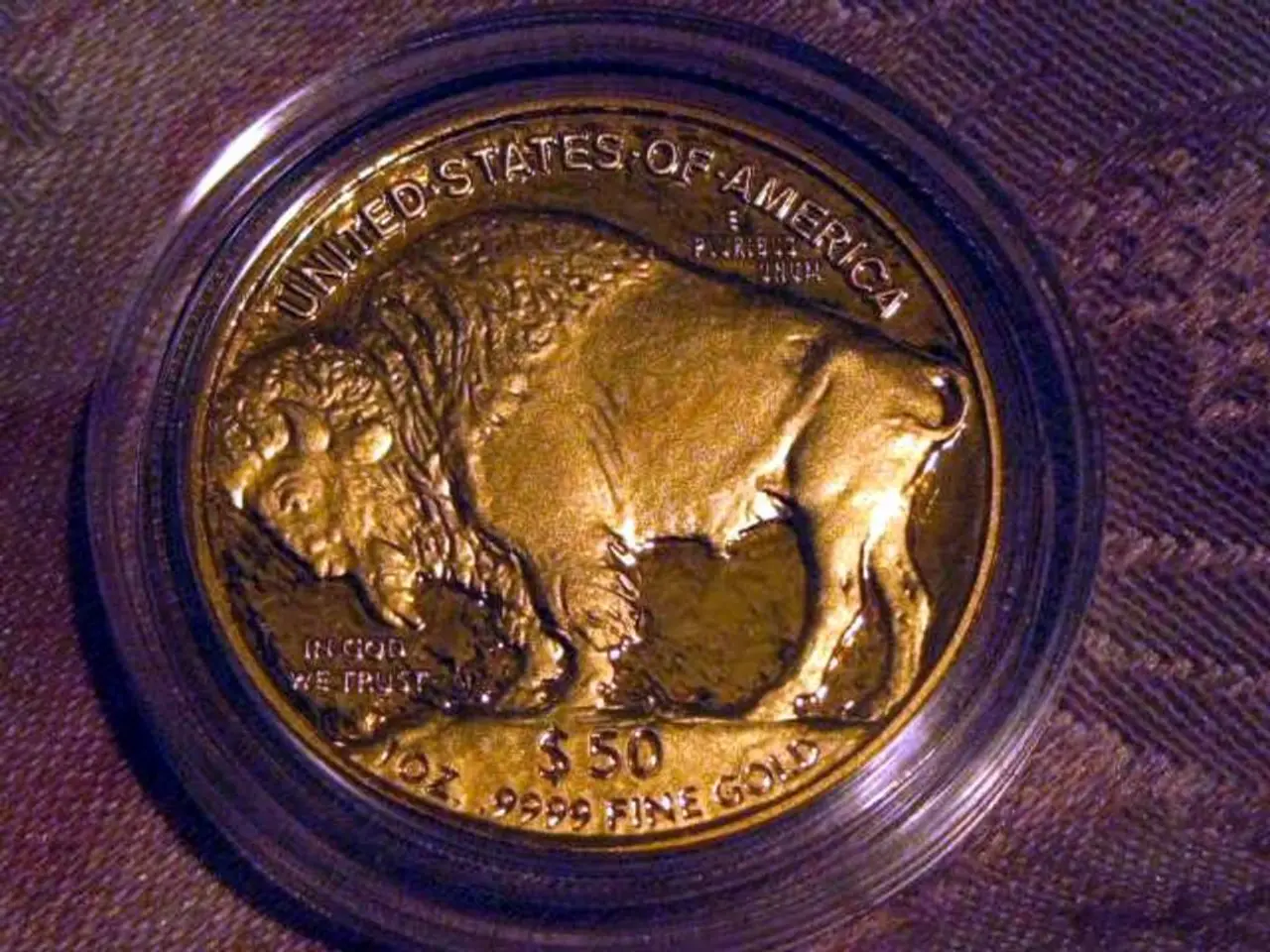
Gold is gaining popularity as a safe, inflation-proof store of value, with central banks stockpiling it at levels not seen in decades. Bitcoin offers additional benefits such as blockchain technology, making it more transparent, faster, and not controlled by any one group. The conversation about Bitcoin's potential role in global reserve portfolios has already begun.
In summary, a combination of U.S. political-economic uncertainties, geopolitical shifts, confidence erosion, and the rise of credible alternatives are driving central banks to move away from exclusive reliance on the U.S. dollar towards assets like gold, euros, and potentially Bitcoin. This trend marks a significant turning point in the global financial landscape, with the world moving towards a more diversified reserve system that includes gold and potentially Bitcoin.
- The rise of Bitcoin, with its limited supply and use of blockchain technology, is being seen as a form of digital gold by some, making it an increasingly attractive prospect for central banks to consider as a potential reserve asset.
- Central banks are not only increasing their holdings of gold but also exploring the use of Bitcoin, as the evolution of money heads towards inclusion of digital assets like Bitcoin in conversations about central bank reserves.
- With concerns over U.S. political and economic policies leading to de-dollarization, central banks are looking at alternatives like Bitcoin and euros to diversify their reserve portfolios, marking a significant shift in the global financial landscape towards a more multipolar currency system.